
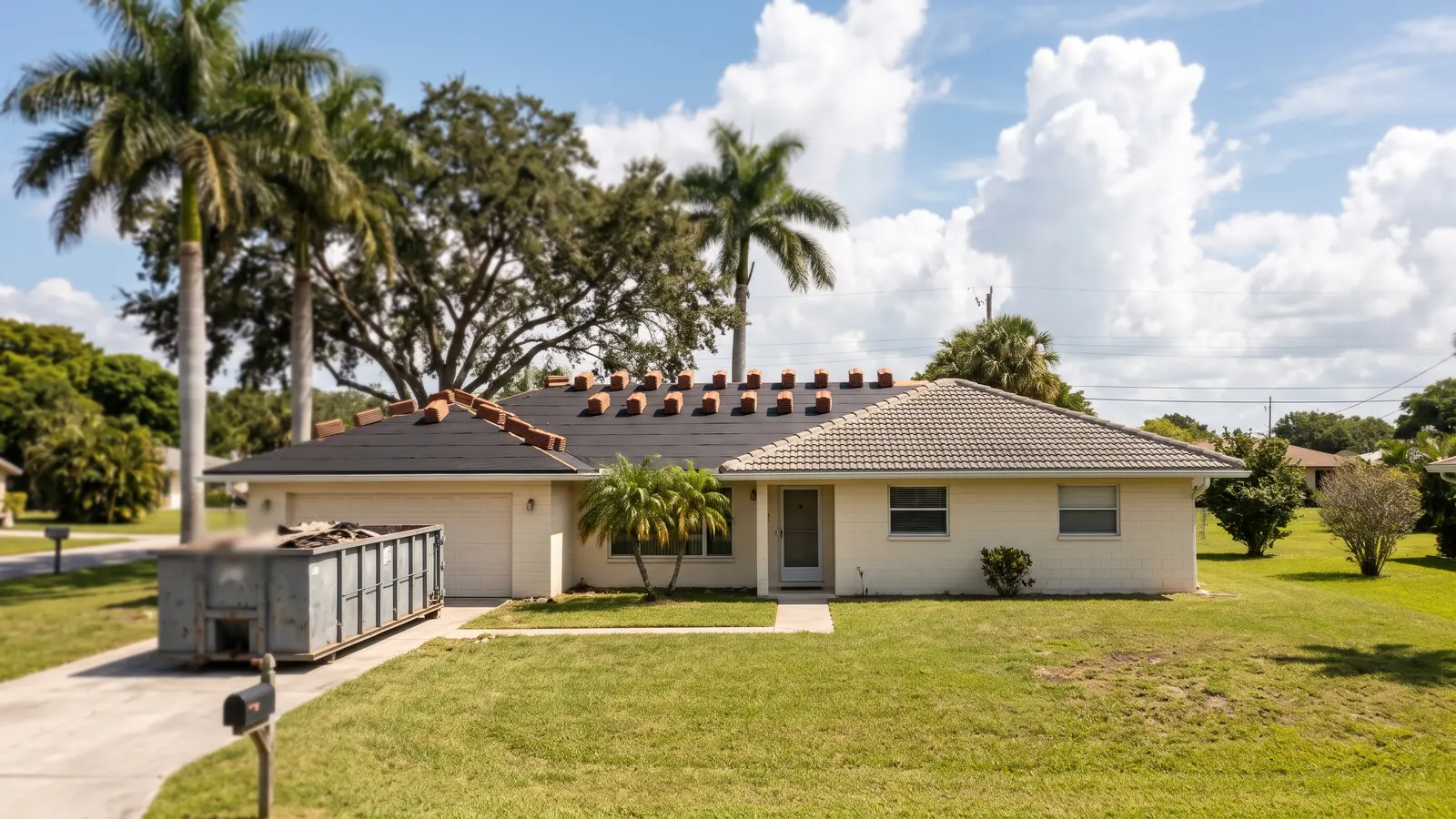
Roof Upgrades the My Safe Florida Home Grant Can Fund
Section 215.5586 lists three roof improvements a grant may pay for, when the program's initial inspection recommends them: reinforcing roof-to-wall connections, improving the strength of roof-deck attachment, and installing secondary water resistance together with a new roof covering.
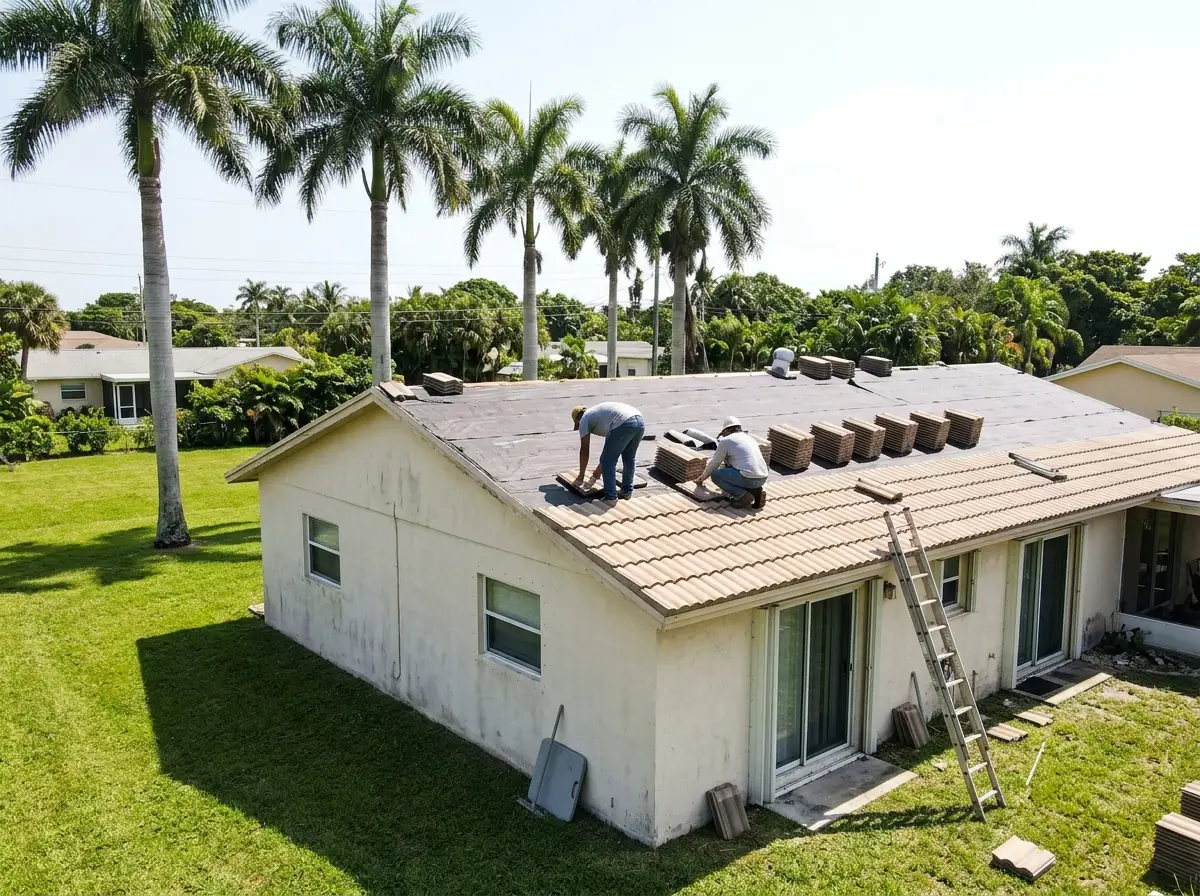
Roof Covering Replacement
The statute pairs a new roof covering with secondary water resistance: the grant funds them together, not a covering alone. An Insurance Journal review found about a third of program grant money went to roof coverings, including the secondary membrane. A full re-roof in Davie needs a Town permit and inspections; the steps are on our roof replacement page. Ask for a quote that breaks out the covering, underlayment and deck work so the grant paperwork matches the invoice.
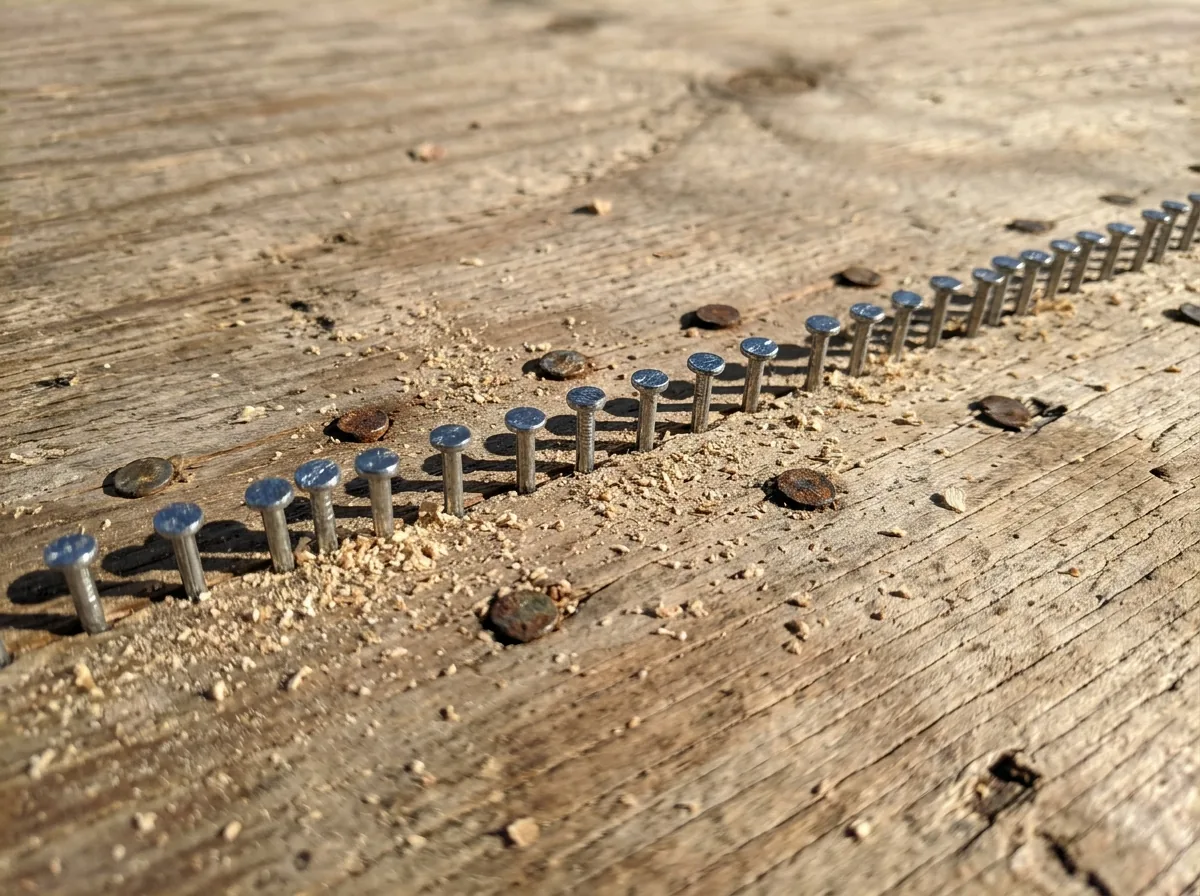
Roof Deck Re-Nailing
Roof deck attachment is scored on the wind mitigation form, and stronger deck attachment is one of the funded improvements. Florida Statutes section 553.844 already requires deck attachment to be strengthened when a roof is replaced, so it usually rides along with a re-roof. Nail spacing and what re-nailing involves are on our roof deck replacement page.
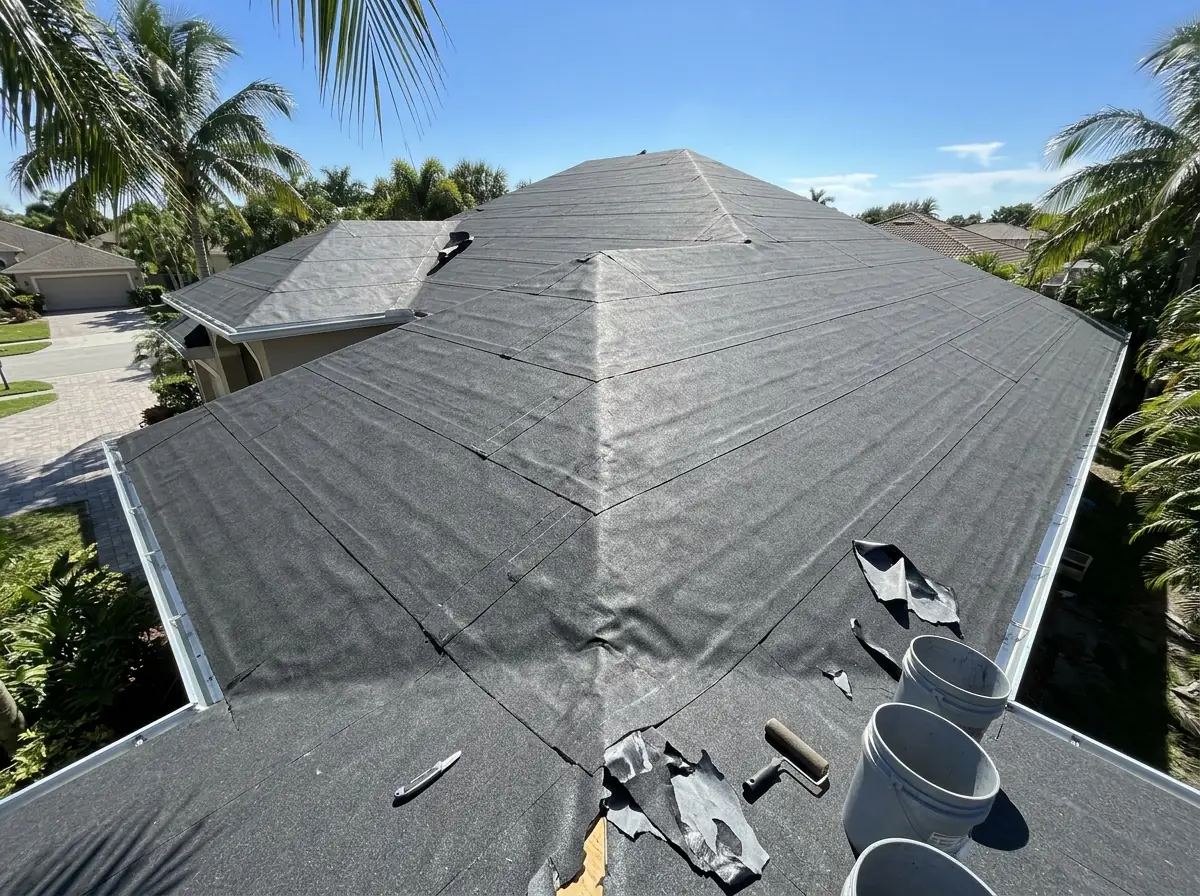
Secondary Water Resistance
The wind mitigation form notes that standard underlayment or hot-mopped felt doesn't qualify. Per Insurance Journal, the code and the program accept either a self-adhered membrane across the whole deck, or taped seams with felt or similar nailed underlayment. Our tile roof underlayment replacement page compares the options.
Roof-to-Wall Connections
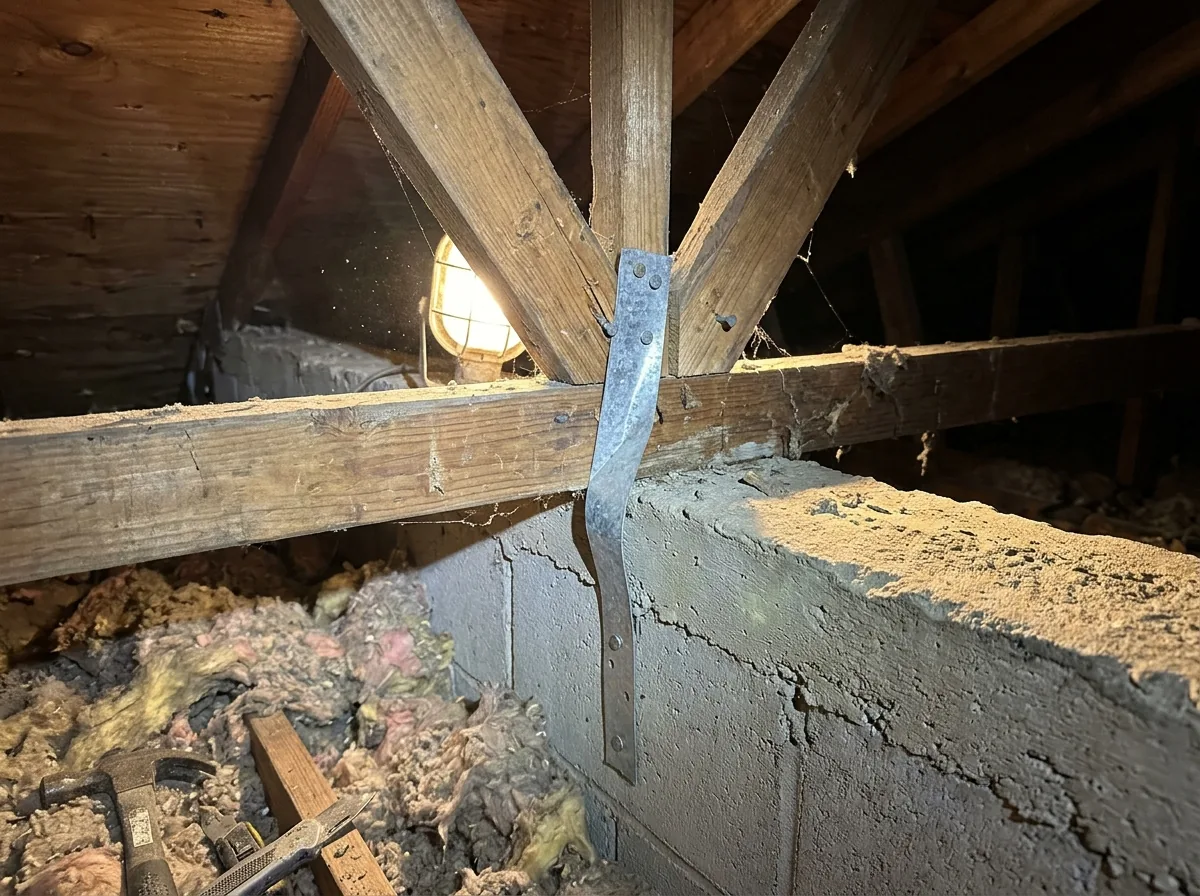
The form scores how the roof is fastened to the walls, from toe-nails up to wraps, and the grant can fund reinforcing that connection. Under Florida Statutes section 489.105, evaluating and improving roof-to-wall connections is within a roofing contractor's scope. Connection types are explained on our hurricane straps page.
How the Grant Steps Run
From section 215.5586 and the program's FAQ:
- Apply for the program inspection. It's for site-built, owner-occupied, homesteaded single-family homes.
- The inspection. A firm under contract with the program inspects the home and reports recommended improvements, cost ranges and estimated premium discounts.
- Apply for the grant within 24 months of that inspection, naming your contractor and their state license number.
- The work. Licensed contractors, with all local permits and inspections.
- Final inspection. The improvements must be identified by the final inspection for grant funds to be paid.
The program may also require opening protection on every door, window and skylight as a condition of paying a grant. Ask about that early, since it isn't roof work.
Why Davie homeowners, HOAs and property managers call Davie Roofline
- One request goes to one independent roofer, not a list of five
- Ask for an inspection and a written scope before any deposit
- Ask to see the product approval (NOA) number for every material quoted
- Ask the roofer to name who pulls the Town of Davie permit
- Hold the final payment until Davie's final inspection passes
Who Qualifies, and the Wind Mitigation Form
Grant eligibility under section 215.5586:
- Built before January 1, 2008, per the county property appraiser's website
- Homestead exemption on the home
- Insured value of $700,000 or less
- Applicant is a low- or moderate-income person under section 420.0004
- You agree to a final inspection and to pass on the insurance discount information your insurer gives you
Applications are reviewed in priority order, starting with low-income applicants who are at least 60.
The wind mitigation form (OIR-B1-1802) is what insurers use to grant mitigation discounts. A new version took effect April 1, 2026, and a completed form is valid for up to five years if the home isn't materially changed. It must be signed by an inspector authorized under section 627.711: a home inspector with hurricane mitigation training, a building code inspector, a general, building or residential contractor, an engineer, an architect, or any other individual or entity the insurer recognizes as qualified. A roofing contractor license alone isn't on that list, but a roofer who also holds a general, building or residential contractor license, or whom the insurer recognizes, may sign. Ask your insurer who it accepts before you book. A roofer's part is the upgrades the form credits: roof covering, deck attachment, roof-to-wall attachment and secondary water resistance. For other insurer paperwork a roofer can sign, see roof certification.